
Jean McConville’s Children
Say NothingThis flow traces how the McConville children endure separation, institutional harm, and adulthood shaped by the loss of their mother.
increasing Bearing strength in each event
 decreasing
Bearing strength in each eventdecreasingChildren in a War Zone

A Childhood Without Shelter
Repeated displacement
The McConville family is driven from East Belfast and moved through temporary housing before settling in Divis Flats. Their new home is cramped, damp, and surrounded by violence.
Bereavement deepens hardship
Arthur McConville dies of cancer in 1972. His death leaves Jean to care for the children in circumstances that already make ordinary family life precarious.
A Mother Vanishes
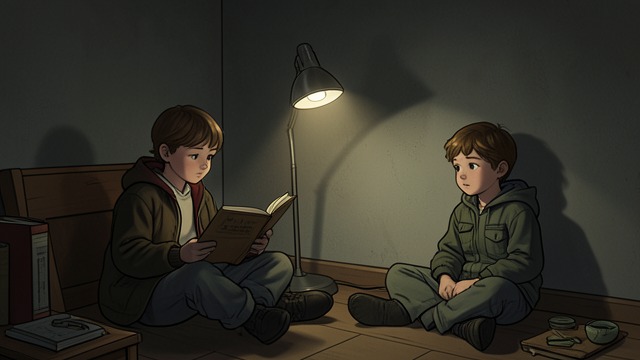
Waiting for Jean
The children stay home
After Jean is taken, the siblings hold together in the flat and hope she will return. Helen assumes responsibilities beyond her age while younger children rely on one another.
Public silence
The family receives little help from neighbours or institutions. Rumours that Jean left willingly add another layer of injury to the children’s uncertainty.
Taken into Care
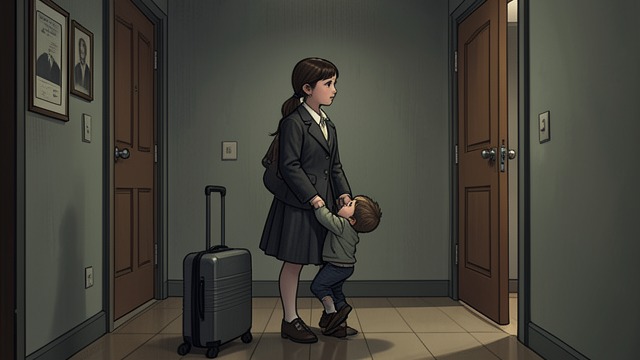
Separation by Institutions
A difficult transfer
Social services remove the younger children and place them in care. Helen is too young to become their legal guardian, though she tries to remain connected to them.
Fractured siblings
The children are split among institutions and relatives. Their shared family life disappears just as they most need a stable home and trustworthy adults.
Abuse at Rubane
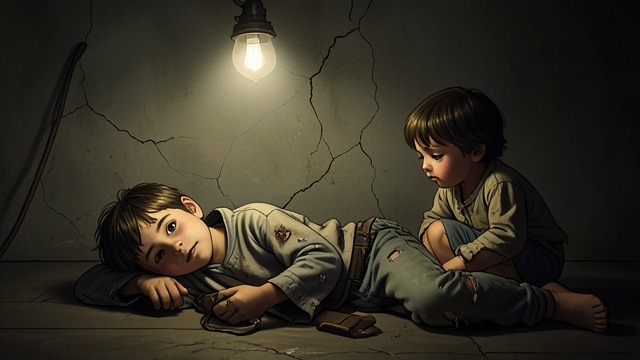
A Second Betrayal
Physical and sexual abuse
At De La Salle Boys’ Home, Michael and Tucker encounter violence from staff and older boys. Billy and Jim later face the same institution’s abusive environment.
Institutions fail to protect
Children who have lost their mother are exposed to further harm by people entrusted with their care. The aftermath expands beyond political violence into a long history of institutional neglect.
A Family Reassembles
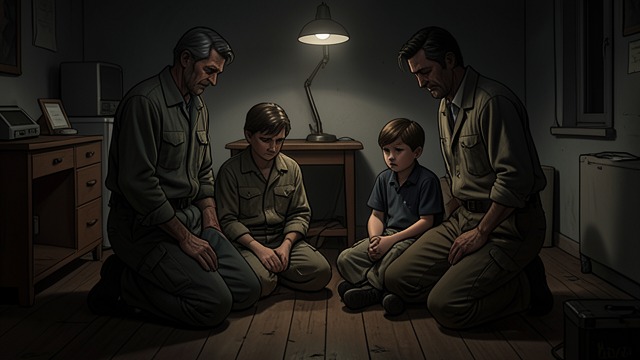
Adult Lives and Shared Loss
Different paths
The siblings build families and careers unevenly, while grief, addiction, and anger persist. Helen continues to feel that her mother might somehow return.
Speaking at last
They gather for searches, inquiries, and funerals. Their testimony about Jean and about childhood abuse makes private suffering part of the public record.
1969–1972
December 1972
1973
Early-to-mid 1970s
1990s–2017
